
This post contains affiliate links. Please see our disclosure policy.
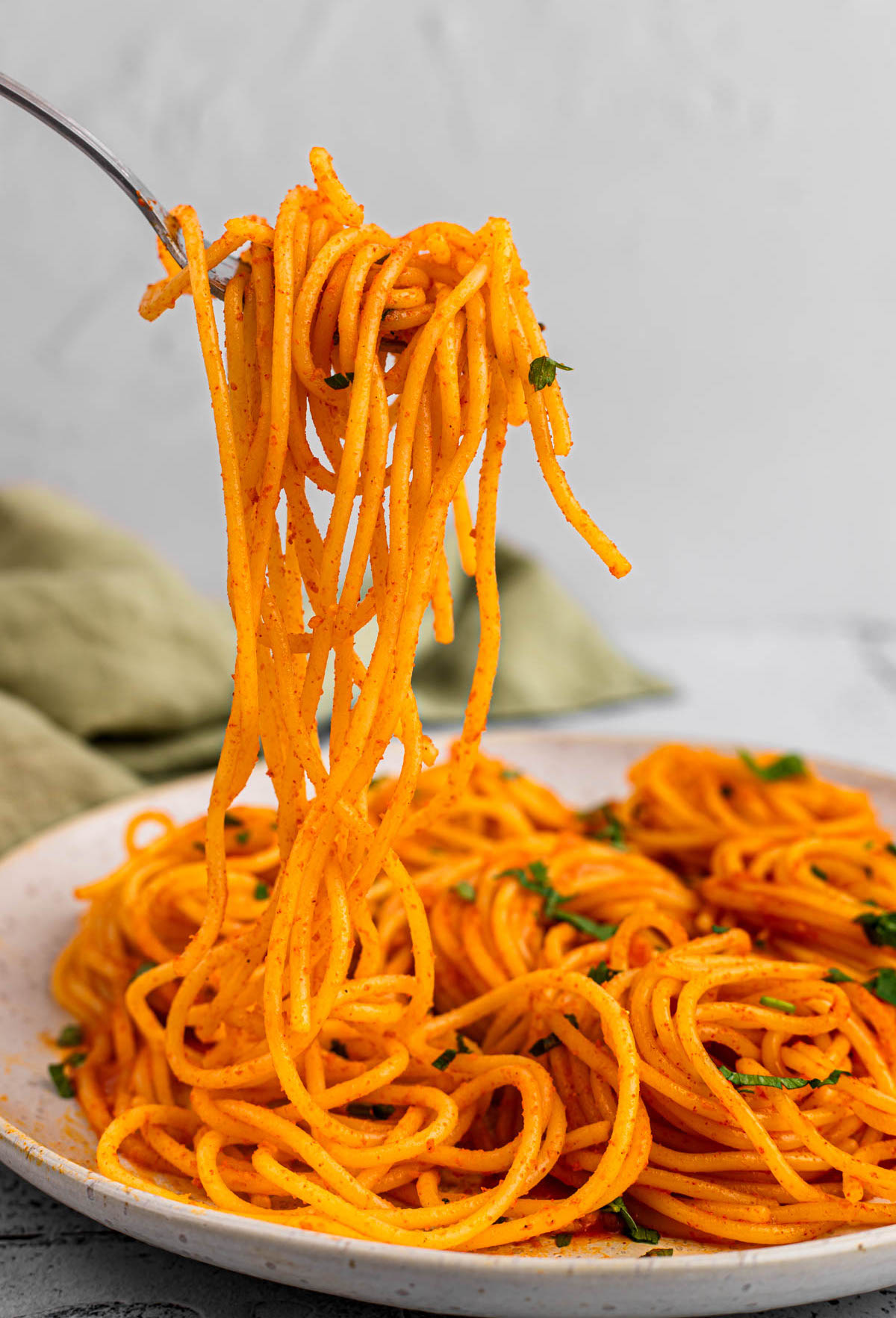
I can’t stop making these garlicky Gochujang Buttered Noodles. They’re bold, comforting, and incredibly easy to make. Ready in under 20 minutes, they strike the perfect balance of spicy, savory, and lightly sweet flavors.
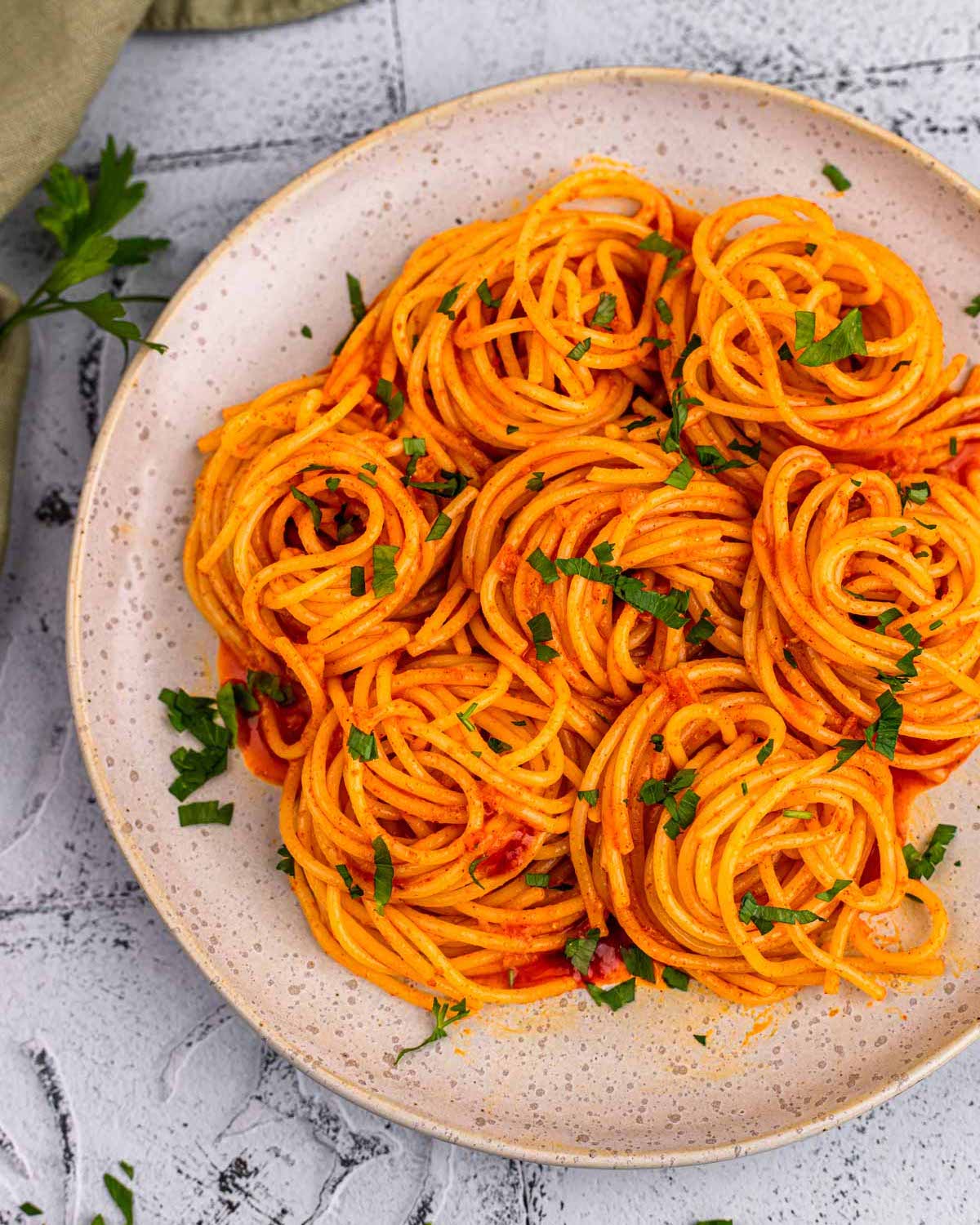
If you’re looking for more easy, Asian-inspired vegan noodle recipes, you will love trying my Saucy Garlic Noodles, Thai-Style Sweet Potato Noodles, and Vegan Japchae-Style Noodles.
Quick Look: Gochujang Buttered Noodles
- 🔪 Prep Time: 15 minutes
- 🔥 Cook Time: 10 minutes
- 🍽 Total Time: 25 minutes
- 👨👩👧👧 Servings: 4
- 🌱 Calories: 312 calories
- 🫘 Protein: 8 grams
- 🍠 Dietary breakdown: Vegan and vegetarian, with easy gluten-free adaptations
- 😋 Flavor Profile: Salty, spicy, lightly sweet, and comforting
- ✅ Difficulty: Beginner-friendly vegan comfort food — no special tools or appliances required
Summarize & Save This Post With
Table of Contents
Praise for Gochujang Buttered Pasta

If you want a gourmet-tasting meal in a fraction of the time, these gochujang butter noodles deliver. Made with pantry staples like spaghetti, garlic, and butter, the rich, crimson sauce gets its bold, spicy-sweet depth from gochujang, balanced with tangy rice vinegar and a touch of agave. Tossed with al dente noodles and finished with fresh scallions and cilantro, this quick, NYTimes-inspired dish is as visually striking as it is comforting—and ready to earn a permanent spot in your dinner rotation.
Have extra gochujang to use up? Try my Gochujang Roasted Carrots—they’re caramelized and sweet, salty, spicy, tender, and all-around delicious!
Key Ingredients
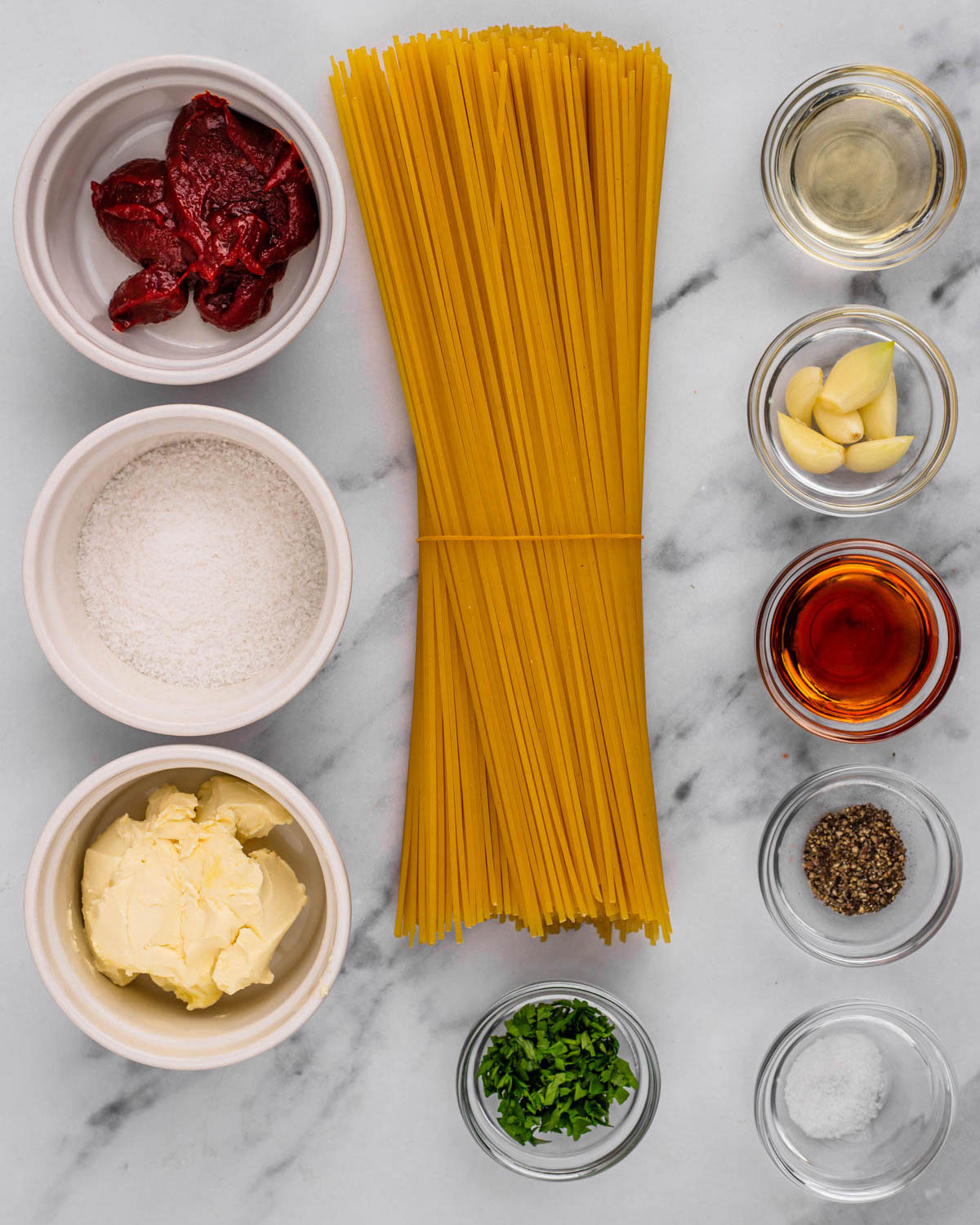
Noodles: Use traditional spaghetti noodles or any long pasta variety, such as linguine or fettuccine. For an authentic Asian flair, opt for udon or ramen noodles. If needed, use a gluten-free variation.
Gochujang Paste: The star ingredient, this Korean chili paste delivers a complex spicy-sweet, savory flavor and vibrant red color. Be sure to use gochujang paste, not sauce, for the proper thickness and depth. It’s typically found in the Asian foods aisle or at Korean markets.
Garlic Cloves: Fresh garlic forms the aromatic backbone of this New York Times–inspired gochujang pasta. Pre-minced garlic works in a pinch, though fresh provides the most flavor. If you love garlicky noodles, also check out my equally simple Vegan Garlic Noodles.
Rice Vinegar: Adds a subtle tang that balances the richness and heat of the gochujang. Sherry vinegar is a good substitute if needed, offering similar acidity with slightly different flavor undertones.
Agave Syrup: Helps mellow the spice while adding gentle sweetness to the sauce. If needed, you can also use maple syrup.
Other Ingredients: Vegan butter adds richness and balance, while scallions or cilantro provide a fresh, flavorful garnish.
See the recipe card for full information on ingredients and quantities.
Recipe Variations
It’s easy to customize these noodles based on your taste preferences and what you have on hand. Here are a few simple ideas to get you started:
- Spicy Sesame: Turn up the heat and add a nutty finish by stirring in an extra tablespoon of gochujang paste and 1 tablespoon of toasted sesame oil. Finish with a squeeze of lime and a sprinkle of toasted sesame seeds.
- Protein Boost: To make the dish more filling, add crispy tofu or gochujang marinated tofu. Toss the tofu with the noodles and sauce just before serving for an easy protein upgrade.
- Add Veggies: Fold in sautéed spinach, snap peas, bok choy, or broccoli just before serving for extra texture, fresh flavor, and staying power. Or serve with a side of air fryer broccolini, roasted cabbage, or crispy sesame tofu salad.
- Make It Creamy: For added richness and a more pronounced comfort-food vibe, stir a splash of coconut milk into the gochujang sauce before simmering.
- Gluten-Free: Swap in gluten-free spaghetti or rice noodles to easily adapt the recipe for gluten-free diets.
How to Make Gochujang Noodles
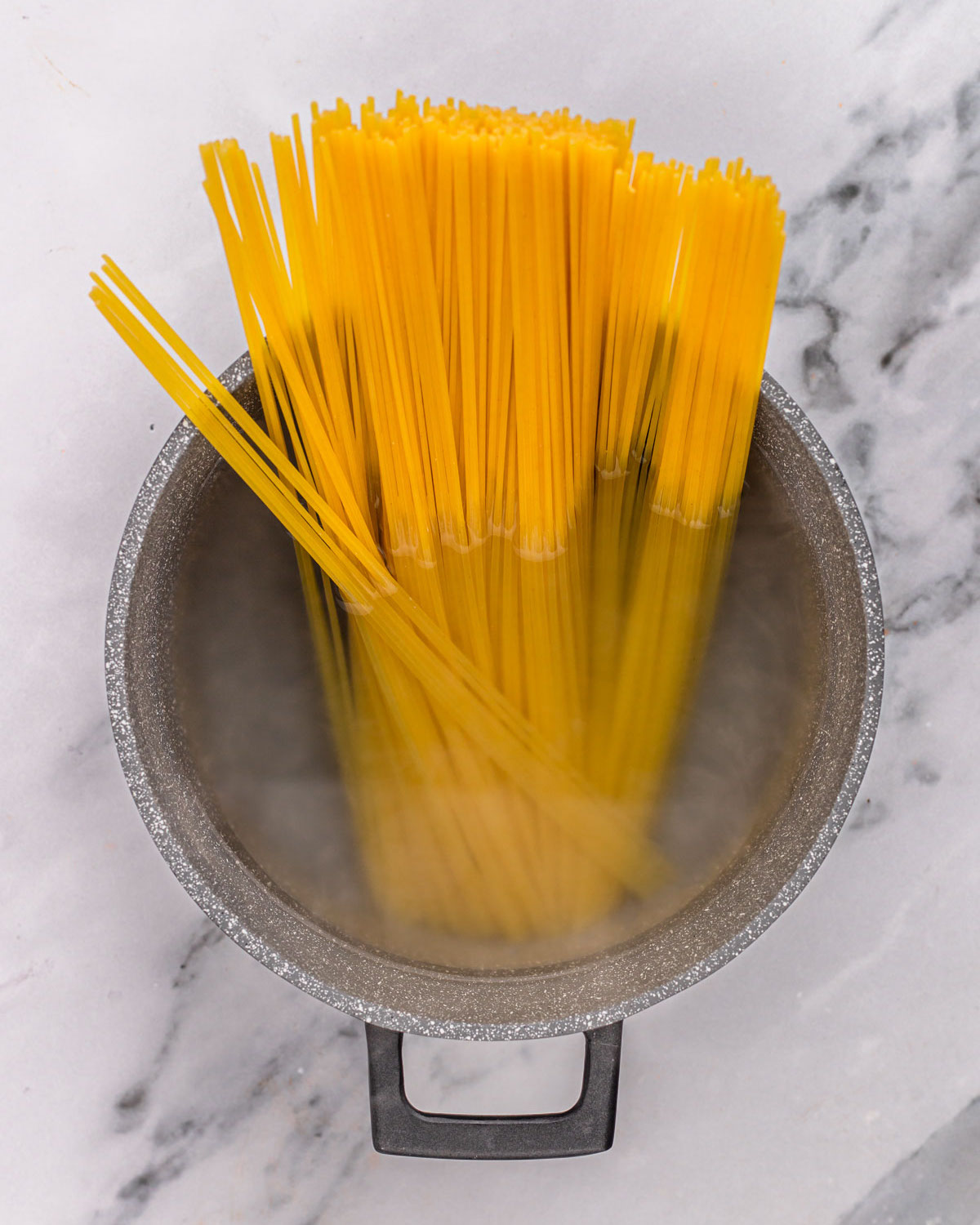
- Boil noodles. Bring a large pot of salted water to a boil over high heat. Add the spaghetti and cook according to package instructions.
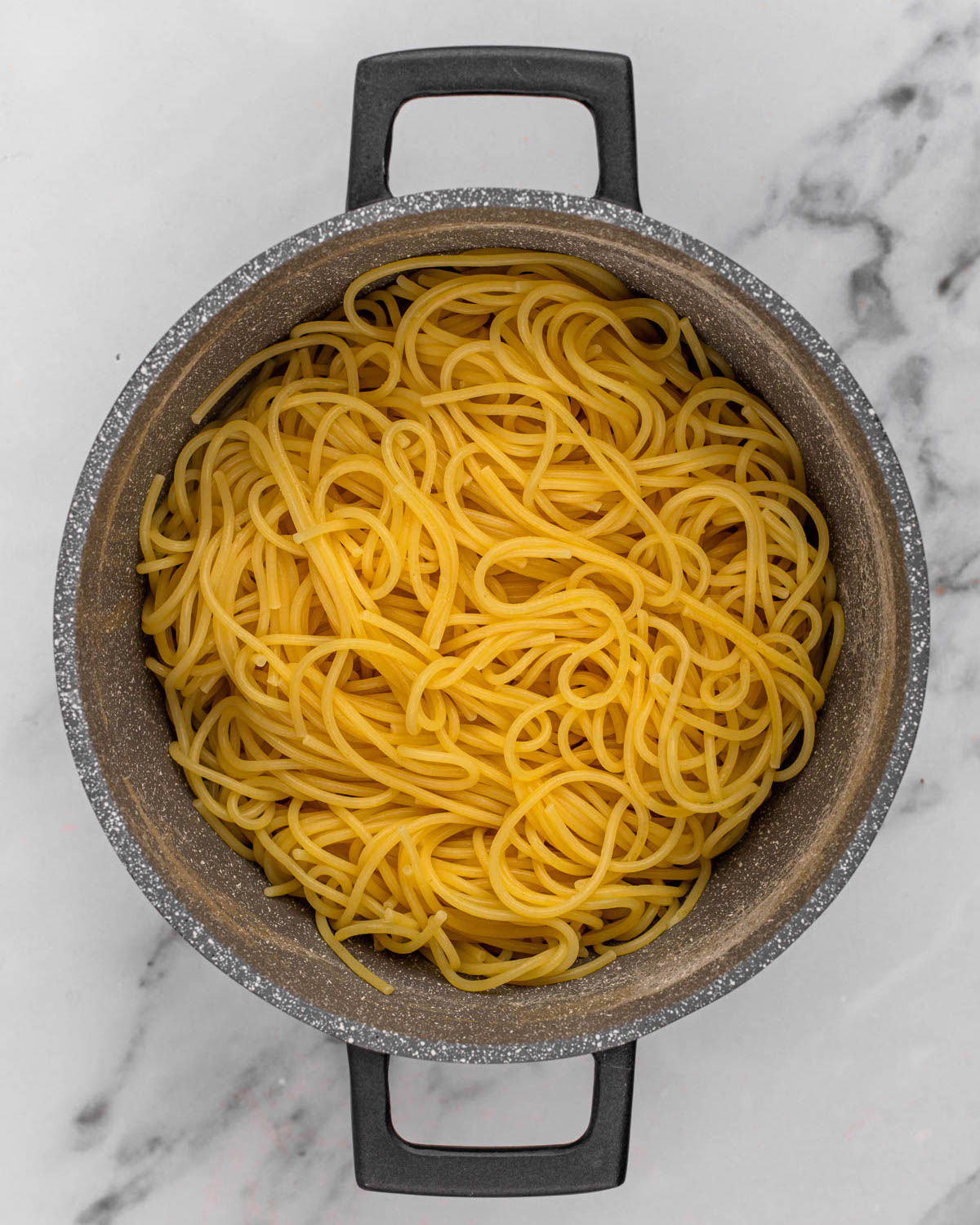
- Drain noodles. Reserve 1 cup of the pasta’s cooking water, then drain the spaghetti in a colander. Add the spaghetti back to the pot.
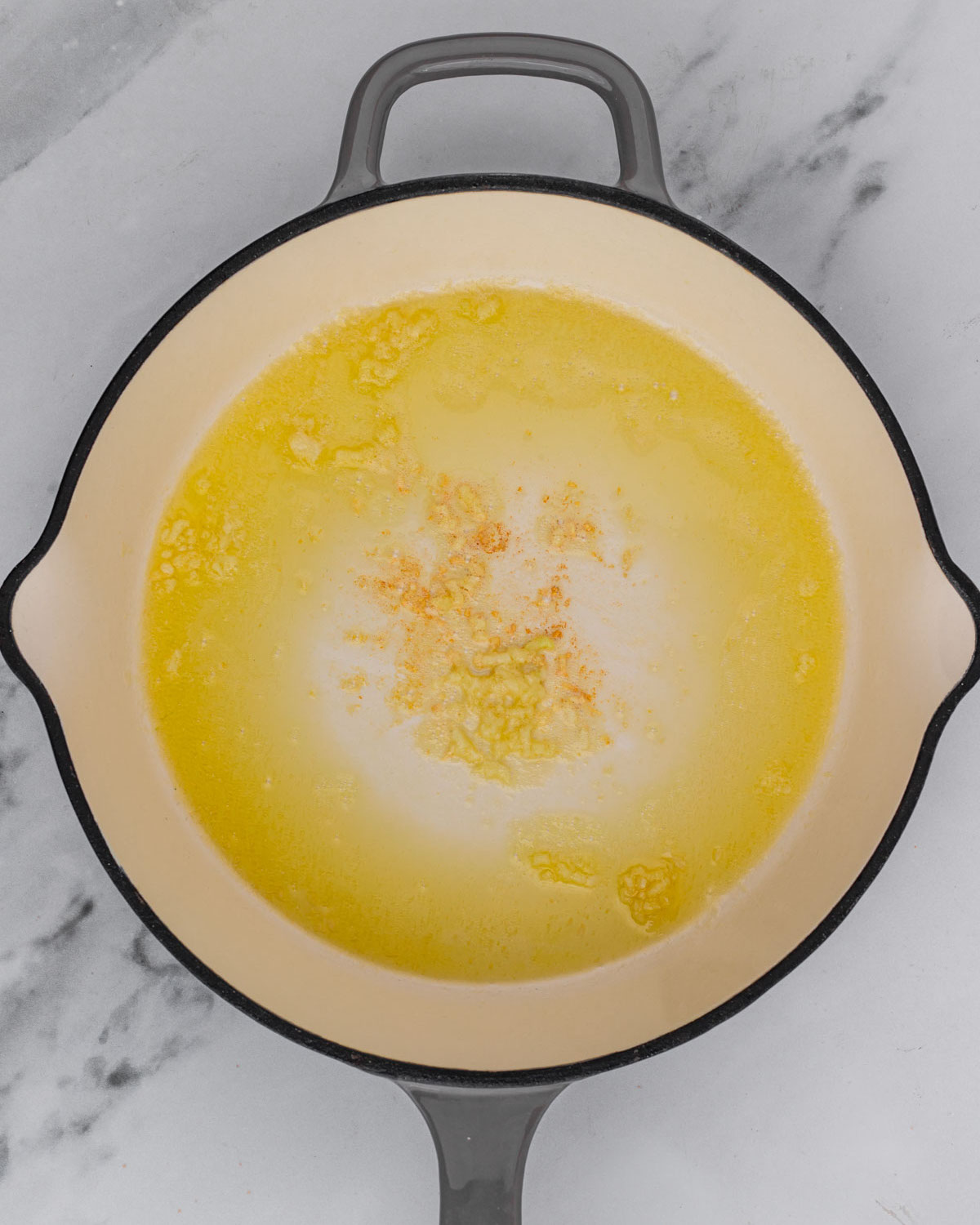
- Sauté Garlic. While the pasta cooks, warm 2 tablespoons of vegan butter in a skillet over medium-low heat. Add the garlic and cook for 1 minute, until it turns golden but not brown.
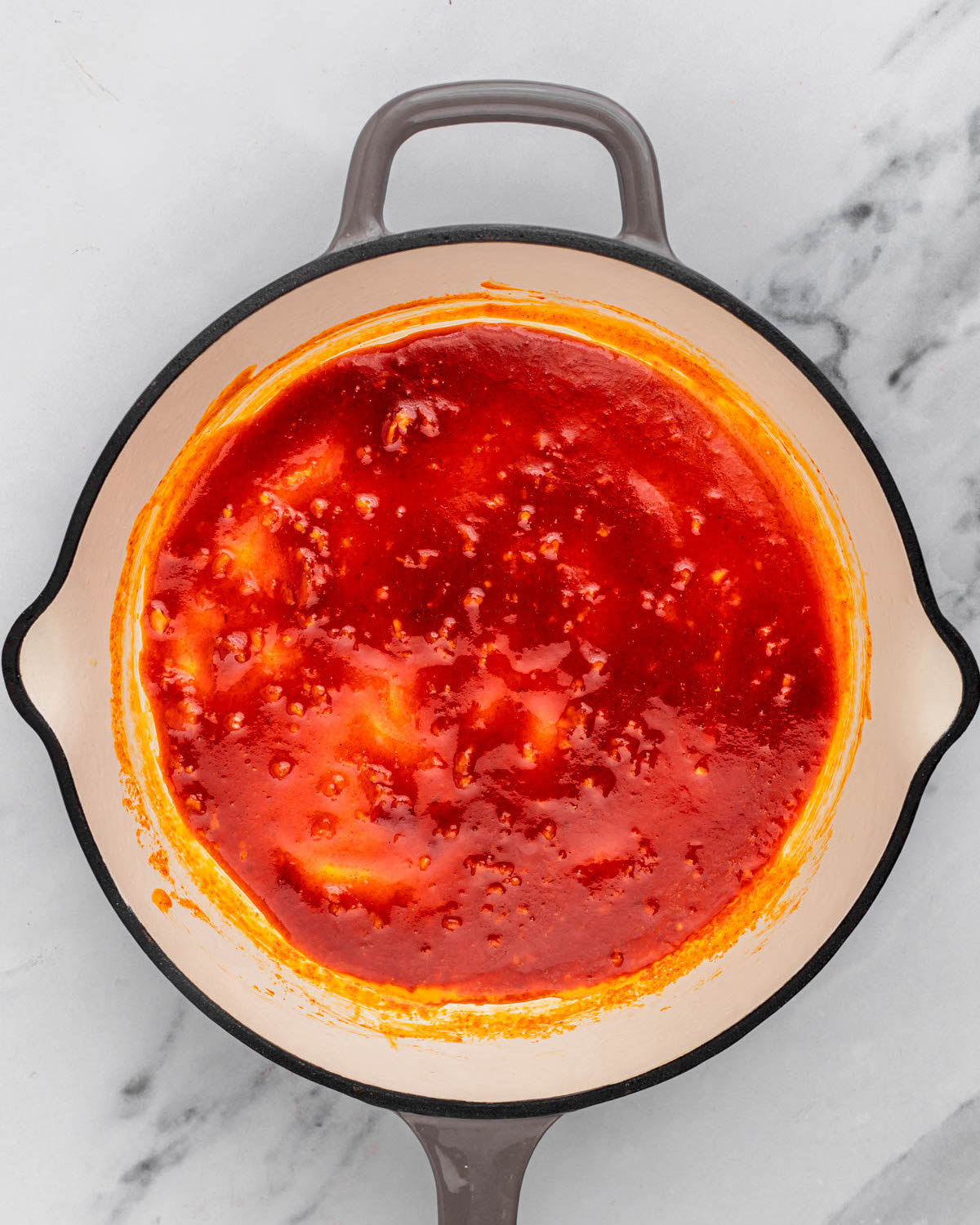
- Add Sauce Ingredients. Stir in the gochujang paste, vinegar, and agave. Bring the mixture to a simmer over medium heat and cook for 1 minute, stirring constantly. Then remove the skillet from the heat.
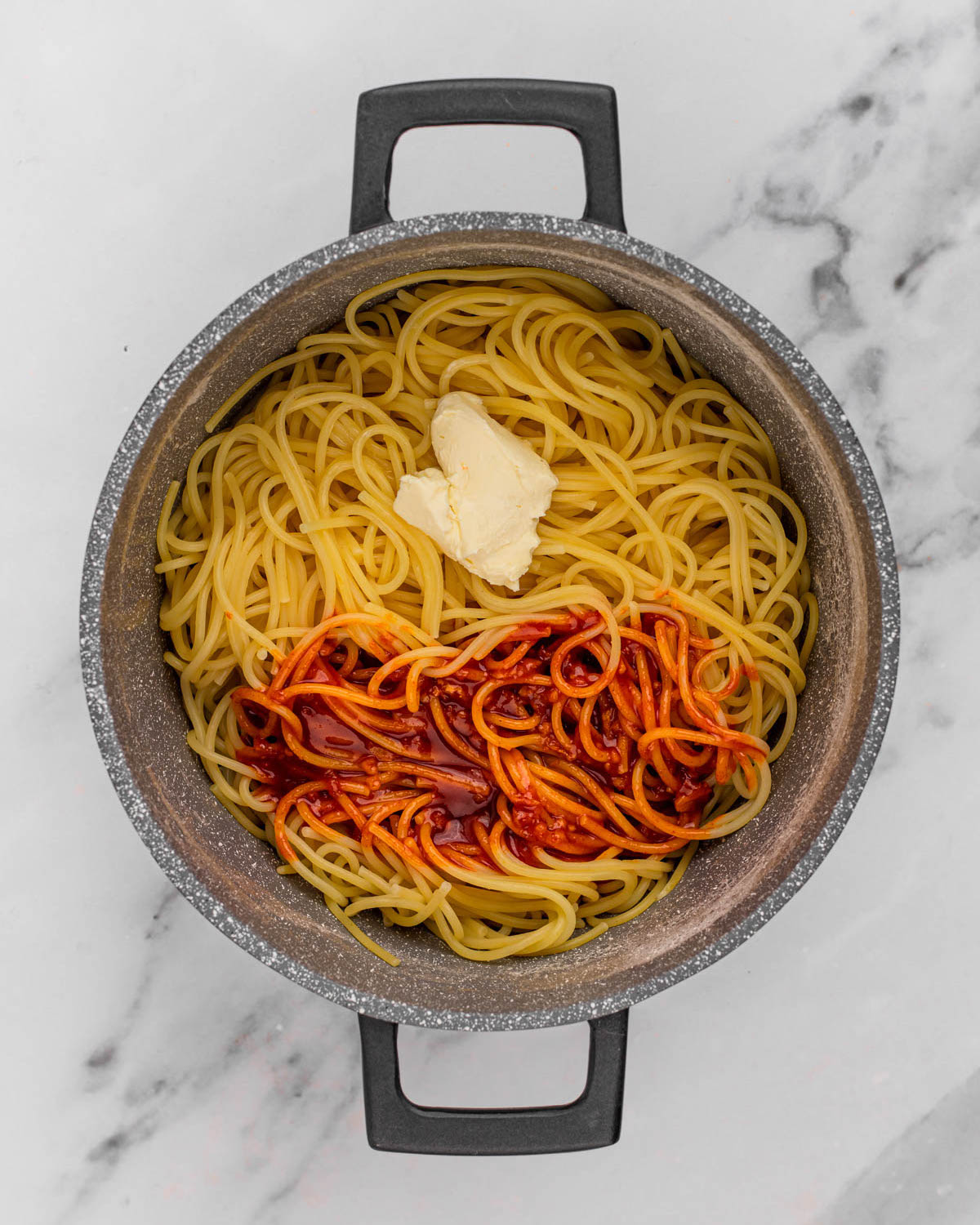
- Add Sauce to Noodles. Add the gochujang sauce and the remaining 1 tablespoon of butter to the cooked spaghetti in the pot. Stir until the butter melts and the noodles are evenly coated. Add small splashes of the reserved pasta cooking water as needed to loosen the sauce and help it cling to the noodles.
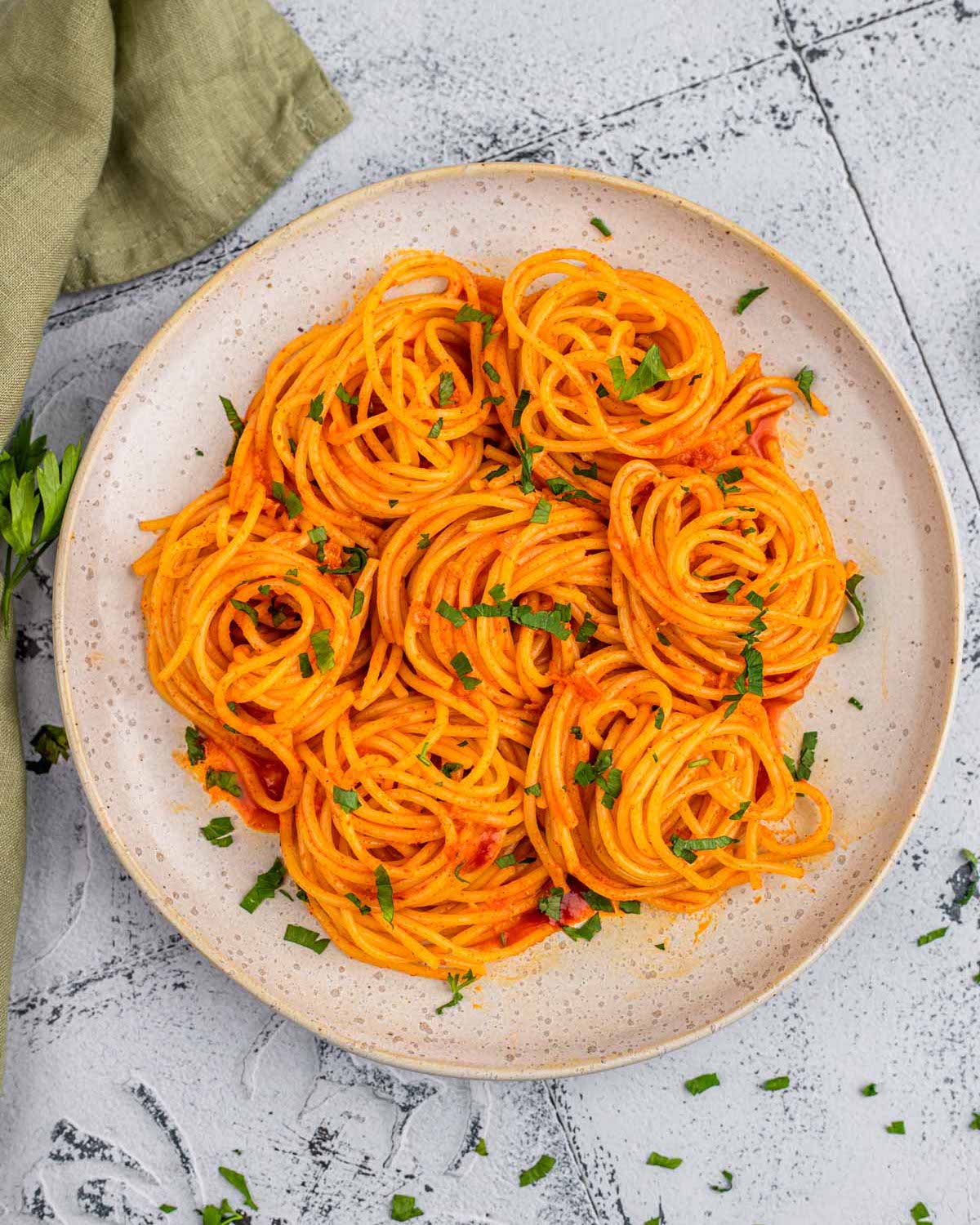
- Season and Serve. Season the noodles to taste with salt and pepper. Garnish with minced cilantro and scallions and serve hot!
Jenné’s Recipe Tips
- Prep everything first. This dish cooks quickly, so have all ingredients measured, chopped, and ready before you start. Once the pan is hot, things move fast—and adding ingredients promptly helps prevent burning.
- Heavily salt the pasta water. Season it generously until it tastes like seawater. This step ensures well-flavored noodles with a tender, balanced bite. I add at least 1 tablespoon to the water before boiling.
- Reserve pasta water. Save at least 1 cup of the starchy cooking water before draining. It’s key for loosening the sauce and helping it cling evenly to the noodles.
- Use high-quality gochujang paste. Gochujang is the backbone of this dish, so choose a quality paste for the best balance of heat, sweetness, and umami. I like Mother In Law’s brand for its clean ingredients.
- Control the heat. Gochujang heat levels vary by brand. If you’re sensitive to spice, start with less and add more to taste as the sauce simmers.
- Balance the flavors. Taste before serving and adjust as needed. A pinch of salt, a crack of black pepper, or a splash of rice vinegar can help fine-tune the final dish.
- Garnish generously. Fresh scallions and cilantro add brightness and contrast, lifting the rich, spicy noodles and rounding out the flavors.
Serving Suggestions
Enjoy these gochujang buttered noodles as a quick, satisfying lunch or dinner—perfect on their own or dressed up with a squeeze of fresh lime juice or a sprinkle of crushed roasted peanuts. For a more complete, full-spread meal, pair them with one (or a few!) of these favorites:
- Kale Kimchi Salad — for something fresh and punchy
- Collard Miso Soup — to add cozy, savory balance
- Tofu Stir-Fry — for extra veggies, protein, and texture
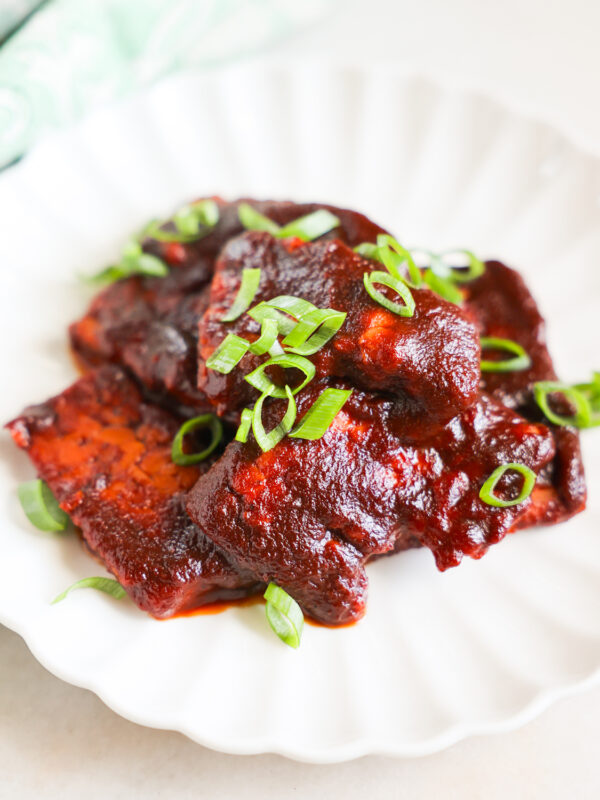
- Marinated Tofu — for an easy, plant-based protein boost
And if you’re looking for even more easy vegan dinner recipes, be sure to check out my full collection of Vegan Entrées.
Storage Directions
- Refrigeration: Allow the noodles to cool to room temperature, then transfer them to an airtight container and store for up to 3–4 days.
- Freezing: Store cooled leftovers in a freezer-safe container for up to 3 months. Thaw overnight in the refrigerator before reheating.
- Reheating: Warm refrigerated noodles in a skillet over medium heat with a splash of water or vegetable stock or broth to loosen the sauce and restore moisture. Stir gently until heated through.
Gochujang Buttered Noodles FAQs
Gochujang has a uniquely bold, layered flavor with deep savory umami, gentle chili heat, and natural sweetness balanced by a subtle tang from fermented rice.
While gochujang has a noticeable chili heat, it isn’t aggressively spicy. Its warmth is balanced by natural sweetness and deep umami from fermentation, creating a gentle, lingering heat rather than a sharp kick. Spice levels vary by brand, so if you’re sensitive to heat, start with a smaller amount and adjust to taste.
Yes! These noodles store well, so you can prepare the pasta and sauce ahead of time and refrigerate them for up to 4 days. Reheat gently with a splash of water or vegetable broth to loosen and refresh the sauce.
No, it’s not recommended to use gochujang sauce in place of paste. Gochujang paste is thick, concentrated, and designed to be diluted into sauces and dishes, while gochujang sauce is thinner and pre-seasoned with ingredients like vinegar, sugar, sesame oil, or soy sauce. Because of this, the substitution isn’t 1-to-1 and can significantly change the flavor and texture of the final dish.
Yes! Simply use rice noodles or gluten-free pasta in place of traditional spaghetti to make gluten-free gochujang noodles.
More Tasty Vegan Pasta Recipes
Main Dishes
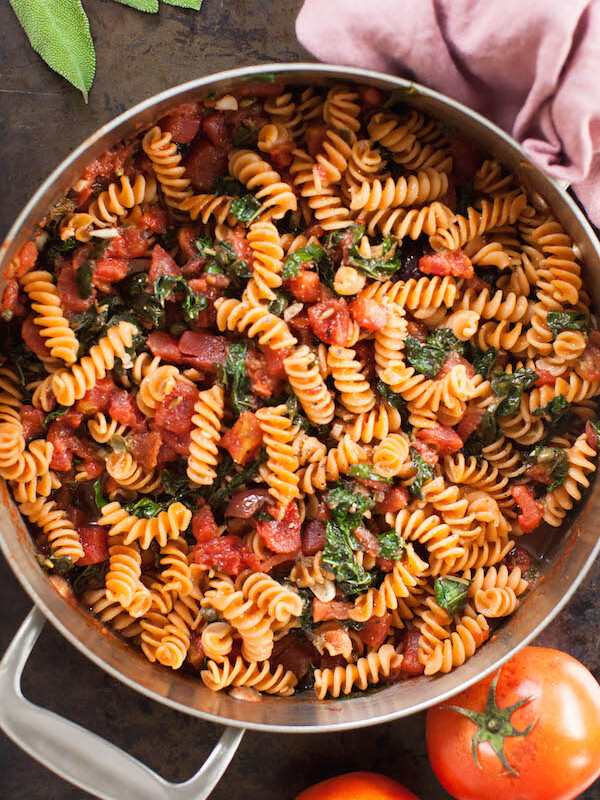
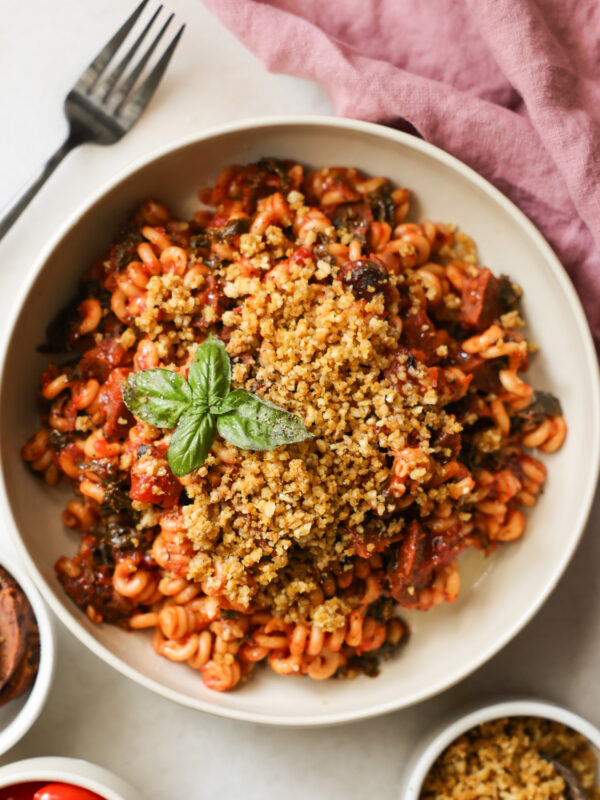
Vegan Pasta Puttanesca
Recipes
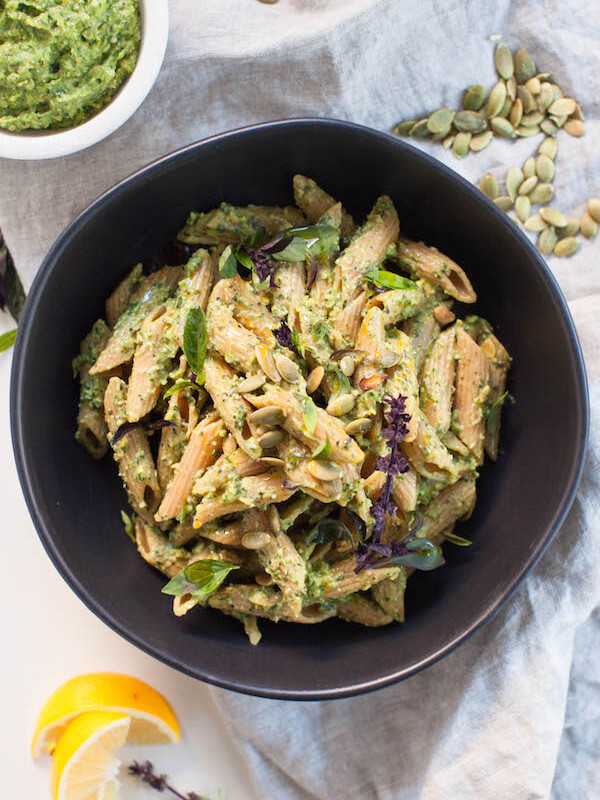
Avocado Pesto Pasta
Main Dishes
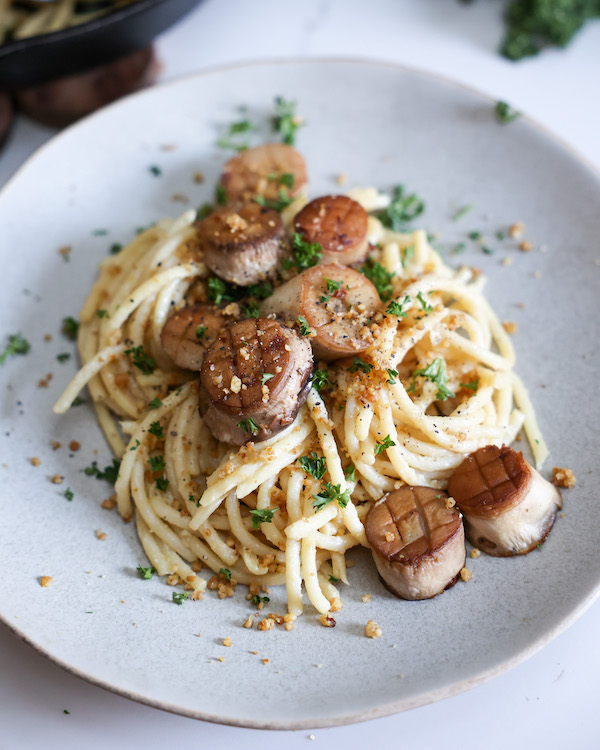
Instant Pot Vegan Sausage Pasta
If you tried this Buttered Gochujang Noodles recipe or any other recipe on my blog, please leave a star rating and let me know how it went in the comments below. Thanks for visiting!
Save now, cook later.
Gochujang Buttered Noodles
Video
Ingredients
- 3 tbsp kosher salt, for salting water
- ½ lb spaghetti, other long pasta, or long Asian noodles like udon or ramen
- 3 tbsp vegan butter, divided, or dairy butter if not vegan
- 6 cloves garlic, minced
- Kosher salt and black pepper, to taste
- 2 tbsp gochujang paste, not sauce
- 2 tbsp rice vinegar, or sherry vinegar
- 1 ½ tbsp agave syrup
- finely chopped scallions and cilantro, to garnish
Instructions
- Bring a large pot of salted water to a boil over high heat. Add the spaghetti and cook according to package instructions.
- Reserve 1 cup of the pasta’s cooking water. Drain the spaghetti in a colander. Add the spaghetti back to the cooking pot and set it aside.
- While the pasta cooks: warm 2 tablespoons of the butter in a skillet over medium-low heat. Add the garlic and cook for 1 minute, until it turns golden but not brown.
- Stir in the gochujang paste, vinegar, and agave. Bring to a simmer over medium heat and cook for 1 minute, stirring constantly. Remove the skillet from the heat.
- Pour the sauce and the remaining 1 tablespoon of butter into the pot of spaghetti. Stir well until the butter melts and the noodles are coated. Add small amounts of the pasta cooking water as needed to thin the sauce and help it coat the noodles evenly.
- Season the noodles to taste with salt and pepper. Garnish with minced cilantro and scallions and serve hot!
Notes
- Prep everything first. This dish cooks quickly, so have all ingredients measured, chopped, and ready before you start. Once the pan is hot, things move fast—and adding ingredients promptly helps prevent burning.
- Heavily salt the pasta water. Season it generously until it tastes like seawater. This step ensures well-flavored noodles with a tender, balanced bite.
- Reserve pasta water. Save at least 1 cup of the starchy cooking water before draining. It’s key for loosening the sauce and helping it cling evenly to the noodles.
- Use high-quality gochujang paste. Gochujang is the backbone of this dish, so choose a quality paste for the best balance of heat, sweetness, and umami.
- Control the heat. Gochujang heat levels vary by brand. If you’re sensitive to spice, start with less and add more to taste as the sauce simmers.
- Balance the flavors. Taste before serving and adjust as needed. A pinch of salt, a crack of black pepper, or a splash of rice vinegar can help fine-tune the final dish.
- Garnish generously. Fresh scallions and cilantro add brightness and contrast, lifting the rich, spicy noodles and rounding out the flavors.
- Refrigeration: Allow the noodles to cool to room temperature, then transfer them to an airtight container and store for up to 3–4 days.
- Freezing: Store cooled leftovers in a freezer-safe container for up to 3 months. Thaw overnight in the refrigerator before reheating.
- Reheating: Warm refrigerated noodles in a skillet over medium heat with a splash of water or vegetable broth to loosen the sauce and restore moisture. Stir gently until heated through.








Decadent! Recipe comes together quickly and was delicious with udon noodles. Paired perfectly with Air Fryer Tofu and steamed asparagus!
Sounds like the perfect meal, Jennifer! Thanks for sharing <3
These noodles may be easy to make, but they pack huge flavor and satisfaction. Warning, they are kinda difficult to stop eating. So I bulk mine up with veggies and tofu for a balanced fiber-rich meal 🙂 Enjoy!
Wow! This came together quickly and is delicious. Hit the spot. Thank you! (I have 2 of your cookbooks that are well-used.)
Love that, Bec! Thanks for commenting and rating, and for your support 🙂